
Service Details
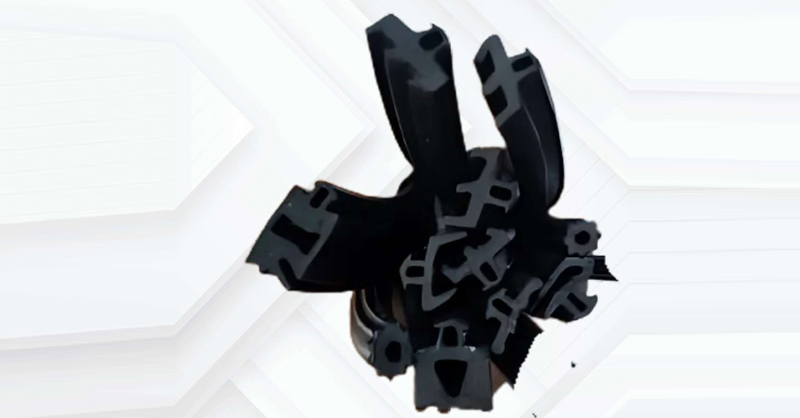
EPDM Gasket Supplier in Delhi NCR, Faridabad & Noida for uPVC Doors & Windows
We are a leading EPDM gasket supplier in Delhi NCR, Faridabad, and Noida, offering high-quality sealing solutions for uPVC doors and windows. The overall performance of uPVC systems—especially in terms of energy efficiency, sound insulation, and weather resistance—depends on the quality of the gasket. Our EPDM gaskets provide superior durability and long-lasting sealing compared to standard PVC options.
EPDM (Ethylene Propylene Diene Monomer) is a premium synthetic rubber known for its excellent resistance to environmental factors, making it the preferred choice for modern sealing applications.
Chemical Composition: EPDM is highly resistant to acids, alkalis, and environmental degradation.
Manufacturing: Produced through an advanced extrusion process, ensuring precise profiles such as bubble, flipper, and wedge types for perfect fitting in uPVC systems.
Appearance: Available in black and grey colors to match uPVC frames seamlessly.
Why Choose Our EPDM Gasket Supply in Delhi NCR?
As a trusted supplier in Delhi NCR, Noida, and Faridabad, we provide EPDM gaskets designed for durability, efficiency, and long-term performance.
| Feature | EPDM Gasket Benefit | Performance |
| Weather Resistance | High UV & Ozone Resistance: Prevents cracking, shrinking, and damage caused by sunlight and harsh weather. | Maintains performance for years without deterioration. |
| Temperature Stability | Wide Temperature Range: Works efficiently from -40°C to +150°C. | Remains flexible in winter and stable in extreme summer heat. |
| Compression Set | High Elasticity: Retains original shape even after long-term compression. | Ensures airtight and watertight sealing. |
| Noise Reduction | Acoustic Dampening: Reduces external noise and vibration. | Improves indoor comfort and sound insulation. |
Applications of EPDM Gaskets
Our EPDM gaskets are widely used in:
- uPVC sliding windows
- uPVC casement doors
- Double-glazed window systems
- Residential and commercial projects
Key Benefits of EPDM Gaskets
Air Tightness: Prevents air leakage and improves indoor comfort.
Water Resistance: Protects against rainwater seepage.
Thermal Insulation: Enhances energy efficiency and reduces power consumption.
Durability: Long lifespan with minimal maintenance.
Trusted EPDM Gasket Supplier in Delhi NCR
We are committed to delivering high-quality EPDM gaskets across Delhi NCR, Noida, and Faridabad. Our products are designed to meet industry standards and ensure long-term performance for uPVC doors and windows.
Choose us for reliable supply, consistent quality, and competitive pricing.
Frequently Asked Questions (FAQs)
Q1. What is an EPDM gasket used for?
EPDM gaskets are used in uPVC doors and windows to provide airtight and watertight sealing, improving insulation and preventing leakage.
Q2. Why is EPDM better than PVC gaskets?
EPDM offers better resistance to UV rays, extreme temperatures, and weather conditions, making it more durable and long-lasting than PVC.
Q3. Do you supply EPDM gaskets in Noida and Faridabad?
Yes, we supply high-quality EPDM gaskets across Delhi NCR, including Noida and Faridabad, with fast delivery and bulk order support.
Feel free to contact us with any questions or concerns
you may have. We’ll always be happy to assist.
- 9220233993
- info@zyolo.in