
Service Details
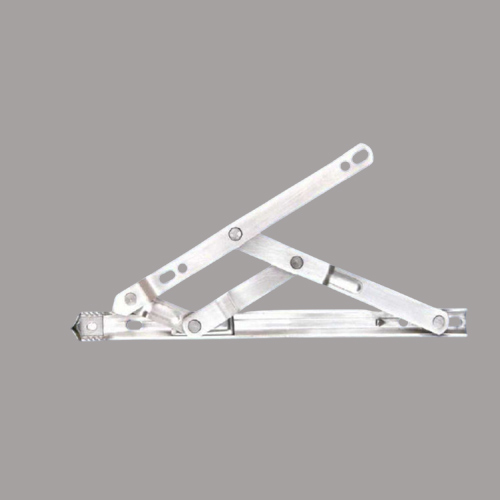
Friction Stay Hinges Supplier in Delhi NCR, Noida, Faridabad
SIZES AVAILABLE
8 INCHES TO 24 INCHES
AVAILABLE IN
SS 304 GRADE & SS 201 GRADE
If you are looking for a trusted Friction Stay Hinges Supplier in Delhi NCR, Noida, Faridabad, we offer premium quality friction hinges designed for aluminium and uPVC windows. Our friction stays are manufactured using high-grade stainless steel, ensuring durability, smooth operation, and long-lasting performance for residential, commercial, and industrial applications.
Friction stays, also known as friction hinges, are essential hardware components used in casement windows. Unlike traditional hinges, these advanced hinges include a built-in resistance mechanism that allows windows to stay open at any desired angle without additional support. This ensures better ventilation, improved safety against strong winds, and ease of cleaning and maintenance.
Advanced Mechanism of Friction Hinges
The core functionality of friction stay hinges lies in their ability to generate adjustable resistance (torque). The system consists of interconnected stainless steel arms, pivot joints, and a friction slider made from durable materials like nylon or acetal.
When the window opens, the slider moves along a track, creating controlled friction. This resistance can be adjusted using a screw mechanism. Tightening the screw increases resistance, making the window more stable and suitable for heavy loads or strong winds. Loosening it allows smoother and easier operation. This adjustable feature makes our friction stay hinges in Delhi NCR highly efficient and user-friendly.
Types and Applications of Friction Stay Hinges
We provide a wide range of window friction stay hinges in Delhi, Noida, and Faridabad suitable for different applications:
- Side Hung Friction Stay Hinges: Ideal for side-opening casement windows, allowing wider opening angles up to 90°. These are commonly used in residential and commercial properties for maximum airflow and easy cleaning.
- Top Hung Friction Hinges: Designed for awning windows that open outward from the bottom. These are perfect for ventilation even during light rain and are widely used in modern buildings.
- Standard Friction Stays: Basic hinges offering smooth opening and controlled positioning for everyday window applications.
- Egress (Fire Escape) Hinges: Specially designed for emergency exits, allowing wider openings to meet safety regulations. Ideal for commercial buildings in Delhi NCR.
- Easy Clean Hinges: Designed for convenience, allowing the window sash to move inward for safe and easy cleaning from inside.
- Restricted Safety Hinges: These hinges limit the opening (around 100mm), ensuring child safety in homes, schools, hospitals, and high-rise buildings.
- Heavy-Duty Friction Stay Hinges: Made from high-quality SS 304 stainless steel, suitable for large and heavy window panels in commercial and high-rise projects.
Why Choose Us?
- Leading friction hinges supplier in Delhi NCR
- High-quality SS 304 & SS 201 materials
- Rust-proof and corrosion-resistant products
- Smooth performance with adjustable control
- Competitive pricing for bulk orders
- Fast delivery across Delhi, Noida, Faridabad & nearby areas
- Suitable for aluminium and uPVC window systems
Applications
Our friction stay hinges are widely used in residential apartments, villas, commercial buildings, offices, hospitals, schools, and modern architectural projects across Delhi NCR.
Frequently Asked Questions (FAQs)
- What are friction stay hinges used for?
Friction stay hinges are used in windows to allow smooth opening and to hold the window securely at any angle. - Which material is better SS 304 or SS 201?
SS 304 offers better corrosion resistance and durability, while SS 201 is a cost-effective option for standard use. - Do you supply in Noida and Faridabad?
Yes, we supply friction stay hinges across Delhi NCR including Noida, Faridabad, Ghaziabad, and Gurgaon. - Are friction hinges suitable for uPVC windows?
Yes, they are suitable for both aluminium and uPVC window systems. - What sizes are available?
We provide friction stay hinges from 8 inches to 24 inches depending on window requirements.
Feel free to contact us with any questions or concerns
you may have. We’ll always be happy to assist.
- 9220233993
- info@zyolo.in