
Service Details
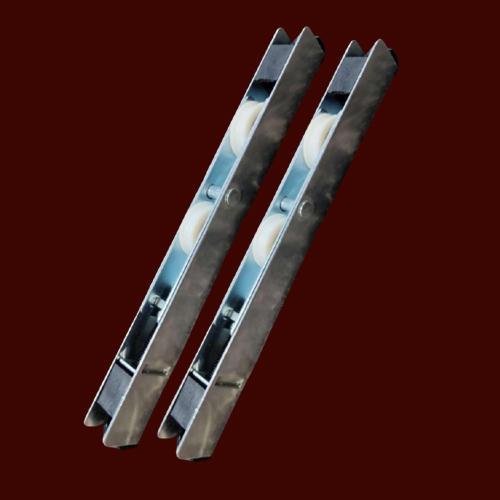
Premium Adjustable Rollers for Sliding Doors & Windows in Delhi, Noida & Faridabad
Adjustable rollers play a vital role in the performance of sliding doors and windows. Whether installed in aluminium, uPVC, or glass sliding systems, these rollers ensure effortless movement while allowing accurate height adjustment for perfect panel alignment.
As a leading adjustable roller supplier in Delhi NCR, Noida, and Faridabad, we offer high-quality roller solutions engineered for smooth operation, durability, and reliable long-term performance in residential and commercial applications.
Why Adjustable Rollers Are Important
Over time, sliding doors and windows may experience slight misalignment due to regular use or structural movement. Adjustable rollers make it easy to correct these issues without replacing the entire system, helping maintain smooth functionality and proper track alignment.
Their adjustable mechanism improves the overall lifespan of sliding systems while reducing wear and tear on tracks and panels.
Main Components of Adjustable Rollers
- Precision Wheel: Manufactured using Nylon, POM, or metal materials to provide smooth and consistent movement.
- Heavy-Duty Housing: Built from stainless steel, zinc alloy, or aluminium for strength, durability, and corrosion resistance.
- Height Adjustment Screw: Enables accurate positioning and leveling of sliding panels after installation.
Features of Our Adjustable Rollers
- Easy Panel Adjustment: Allows quick correction of door and window alignment.
- Low Noise Operation: Delivers smooth and quiet sliding performance.
- Heavy Load Support: Suitable for both lightweight and heavy-duty sliding systems.
- Weather Resistant Construction: Designed to withstand moisture, dust, and changing weather conditions.
- Long Service Life: Manufactured using premium materials for dependable performance.
Available Adjustable Roller Options
- Single Wheel Adjustable Roller: Best suited for standard sliding windows.
- Double Wheel Adjustable Roller: Recommended for larger and heavier sliding doors.
- Multi-Wheel Adjustable Roller: Ideal for commercial and heavy-duty sliding applications.
Applications of Adjustable Rollers
- uPVC sliding doors and windows
- Aluminium sliding window systems
- Glass sliding doors
- Wardrobe and partition sliding systems
- Residential and commercial sliding installations
Reliable Adjustable Roller Supplier in Delhi NCR, Noida & Faridabad
Businesses, fabricators, contractors, and homeowners trust our adjustable rollers for their quality, durability, and consistent performance. We supply premium sliding hardware solutions across Delhi, Noida, Faridabad, and nearby Delhi NCR regions.
Whether you are manufacturing new sliding systems or replacing existing hardware, our adjustable rollers help ensure smooth movement, accurate alignment, and long-lasting functionality.
Frequently Asked Questions (FAQs)
Q1. What is an adjustable roller used for?
Adjustable rollers are used in sliding doors and windows to provide smooth movement and allow height adjustment for proper alignment.
Q2. Are adjustable rollers suitable for uPVC windows?
Yes, adjustable rollers are widely used in uPVC sliding doors and window systems.
Q3. Can adjustable rollers support heavy sliding doors?
Yes, heavy-duty adjustable rollers are specifically designed to handle large and heavy sliding panels.
Q4. What materials are used in adjustable rollers?
They are commonly manufactured using nylon, POM, stainless steel, zinc alloy, and aluminium components.
Q5. How does the adjustment mechanism work?
A built-in adjustment screw allows installers to raise or lower the sliding panel for accurate positioning.
Q6. Are adjustable rollers resistant to rust?
Yes, quality adjustable rollers are designed using corrosion-resistant materials for long-term durability.
Q7. When should adjustable rollers be replaced?
Replacement is recommended if rollers become damaged, noisy, difficult to operate, or fail to maintain proper alignment.
Q8. Where can I purchase adjustable rollers in Delhi NCR?
You can buy premium-quality adjustable rollers from trusted suppliers serving Delhi, Noida, Faridabad, and surrounding NCR locations.
Feel free to contact us with any questions or concerns
you may have. We’ll always be happy to assist.
- 9220233993
- info@zyolo.in