
Service Details
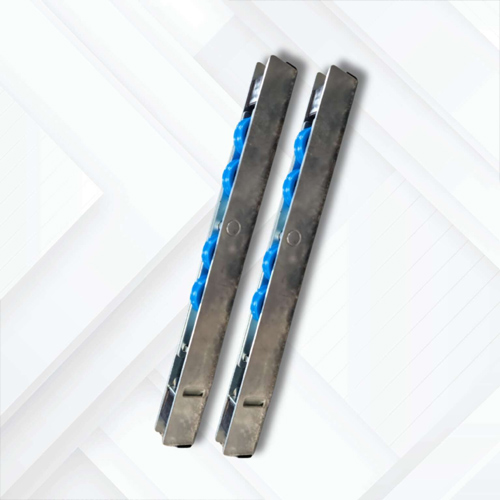
Four Wheel Adjustable Roller Supplier in Delhi, Noida & Faridabad
A Four Wheel Adjustable Roller is an essential component used in modern sliding doors and windows to ensure smooth, stable, and effortless movement. Designed for heavy-duty performance, these rollers are widely installed in aluminium sliding doors, uPVC windows, balcony systems, and large glass panels. Their advanced four-wheel design offers superior weight distribution and long-lasting durability.
As a leading Four Wheel Adjustable Roller Supplier in Delhi, Noida, and Faridabad, we provide premium-quality rollers manufactured to meet the requirements of residential, commercial, and industrial projects. Our rollers are engineered for maximum strength, smooth operation, and precise alignment.
How Four Wheel Adjustable Rollers Work
The roller assembly is installed beneath the sliding panel, allowing it to glide smoothly along the track. The four-wheel configuration helps distribute the load evenly, reducing friction and minimizing wear on both the roller and the track system.
An integrated adjustment mechanism enables installers to fine-tune the door height after installation. This feature helps maintain proper alignment, prevents dragging, and improves overall door performance even when floors or tracks are slightly uneven.
Components of a Four Wheel Adjustable Roller
- Four Precision Wheels: Designed to provide enhanced balance and smooth movement while supporting heavier door panels efficiently.
- Strong Roller Housing: Manufactured using high-strength materials such as stainless steel, zinc alloy, or aluminium for excellent durability and load-bearing capacity.
- Height Adjustment System: Built-in adjustment screws allow easy alignment and leveling of sliding doors without removing the panel.
- Premium Bearings: High-quality bearings ensure silent operation, reduced friction, and extended service life.
Benefits of Four Wheel Adjustable Rollers
- Supports Heavy Sliding Panels: Ideal for large aluminium, glass, and uPVC sliding systems.
- Smooth Sliding Performance: Provides effortless movement with minimal resistance.
- Enhanced Stability: The four-wheel design reduces wobbling and improves panel balance.
- Noise-Free Operation: Precision bearings help minimize sound during opening and closing.
- Easy Maintenance: Allows quick adjustments to maintain perfect door alignment.
- Long Service Life: Built to withstand continuous use in residential and commercial environments.
Applications of Four Wheel Adjustable Rollers
Four Wheel Adjustable Rollers are commonly used in a wide range of sliding systems where strength and smooth performance are required. They are suitable for aluminium sliding doors, uPVC sliding windows, heavy glass doors, balcony enclosures, patio doors, office partitions, and multi-track sliding systems.
Their ability to handle higher loads makes them a preferred choice for builders, fabricators, architects, and hardware professionals across Delhi NCR.
Why Choose Our Four Wheel Adjustable Rollers?
We supply high-quality Four Wheel Adjustable Rollers in Delhi, Noida, and Faridabad that are tested for strength, durability, and smooth performance. Our products are designed to meet industry standards and deliver reliable operation even in demanding conditions.
Whether you are manufacturing sliding doors or upgrading an existing system, our rollers provide the perfect combination of stability, durability, and precision movement.
Frequently Asked Questions (FAQs)
Q1. What is a Four Wheel Adjustable Roller?
A Four Wheel Adjustable Roller is a sliding door hardware component that uses four wheels and an adjustable mechanism to ensure smooth movement and proper alignment.
Q2. Why are four-wheel rollers better than standard rollers?
Four-wheel rollers distribute weight more evenly, provide better stability, and offer smoother sliding performance.
Q3. Are these rollers suitable for heavy sliding doors?
Yes, they are specifically designed to support heavy aluminium, glass, and uPVC sliding panels.
Q4. Can the roller height be adjusted after installation?
Yes, the built-in adjustment mechanism allows easy height correction and alignment.
Q5. Which materials are used in these rollers?
Common materials include nylon wheels, POM wheels, stainless steel, aluminium, and zinc alloy housings.
Q6. Do Four Wheel Adjustable Rollers reduce noise?
Yes, high-quality bearings and precision wheel design help ensure smooth and quiet operation.
Q7. Where are these rollers commonly used?
They are used in aluminium sliding doors, uPVC windows, glass partitions, balcony systems, and patio doors.
Q8. Where can I buy Four Wheel Adjustable Rollers in Delhi NCR?
You can purchase premium-quality Four Wheel Adjustable Rollers from trusted suppliers serving Delhi, Noida, Faridabad, and nearby regions.
Feel free to contact us with any questions or concerns
you may have. We’ll always be happy to assist.
- 9220233993
- info@zyolo.in